How to Read Labels for Low Carb Breakfast Foods
In today’s fast-paced world, finding the right low-carb breakfast can seem daunting. Whether you’re managing your weight or watching your blood sugar levels, understanding food labels can make all the difference. Let’s dive into the world of low-carb labels and learn how to make smarter breakfast choices! ?
Table of Contents
1. Introduction to Low Carb Diets
2. Understanding Nutrition Labels
3. Key Ingredients to Watch Out For
4. Tips for Choosing Low Carb Breakfast Foods
5. Common Misconceptions
6. Conclusion
7. FAQs
Introduction to Low Carb Diets
Low carb diets have gained immense popularity over the years for their potential benefits in weight management and improved metabolic health. By reducing carbohydrate intake, these diets encourage the body to burn fat for fuel. Breakfast, being the most important meal of the day, should be no exception when it comes to maintaining a low-carb lifestyle.
Understanding Nutrition Labels
Reading nutrition labels might feel like deciphering a foreign language at first. However, once you understand the basics, it becomes second nature. Here’s what to look for:
Total Carbohydrates
This is the first number to check. It includes all types of carbs, including sugars and fibers. Aim for breakfast foods with lower total carbs, ideally under 15 grams per serving.
Dietary Fiber
Fiber is your friend! It doesn’t spike blood sugar and helps with digestion. You can subtract fiber from total carbs to find the net carbs (Total Carbs – Fiber = Net Carbs).
Sugars
Look out for added sugars, as they can quickly increase the carb count. Natural sugars found in fruits are generally better, but moderation is key.
Serving Size
Always check the serving size. A food might seem low in carbs until you realize the serving size is much smaller than you assumed.
Key Ingredients to Watch Out For
Not all ingredients are created equal. Here are some common culprits that can sneak carbs into your breakfast:
Refined Grains
Avoid ingredients like white flour or rice. These refined grains can significantly up the carb count.
Sweeteners
Watch for hidden sugars like corn syrup, honey, or agave. Opt for sugar substitutes like stevia or erythritol when possible.
Starches
Potato starch, corn starch, and other similar ingredients can quickly add carbs to your meal.
Tips for Choosing Low Carb Breakfast Foods
Choosing low carb breakfast options doesn’t have to be boring or complicated. Here are some tips:
Go for Whole Foods
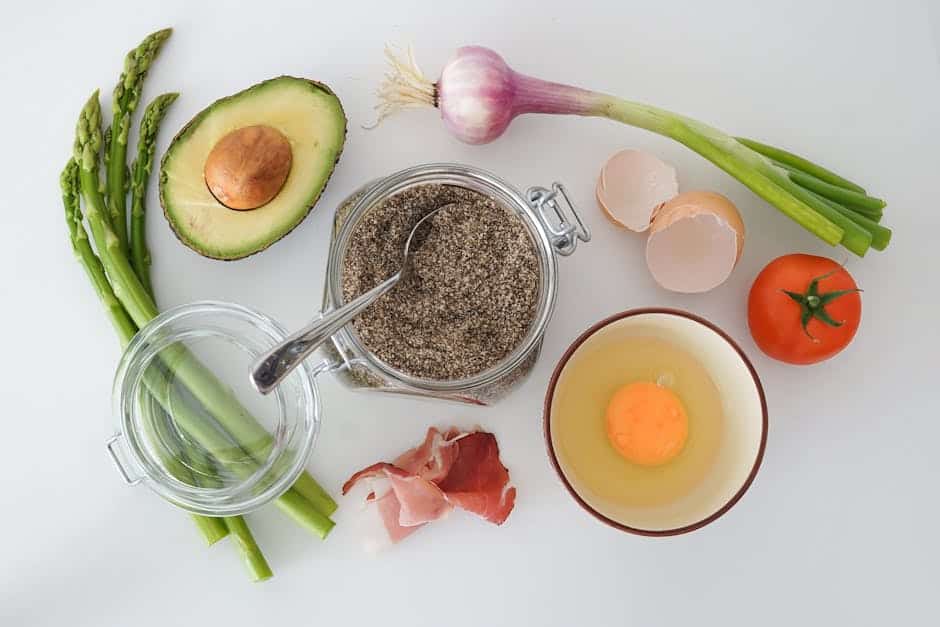
Eggs, nuts, seeds, and avocados are naturally low in carbs and rich in nutrients.
Embrace Dairy
Full-fat dairy products like Greek yogurt and cheese can be part of a low-carb breakfast.
Be Mindful with Fruits
Opt for lower carb fruits like berries. They’re delicious and packed with antioxidants.
DIY Breakfast
Consider making your own breakfast bars or smoothies. This way, you control exactly what goes in them.
Common Misconceptions
All Carbs are Bad
Not true! Complex carbs, like those found in vegetables, are essential for health. The key is moderation and balance.
Low Carb Means No Carbs
Going extremely low on carbs isn’t sustainable for everyone. It’s about finding what works for your body.
Conclusion
Reading labels for low-carb breakfast foods doesn’t have to be a chore. With a little practice, you’ll be a pro in identifying the right options for your dietary needs. Remember, the goal is to nourish your body while enjoying your meal. Happy breakfasting! ?
FAQs
What is considered a low-carb breakfast?
A low-carb breakfast typically contains 15-30 grams of net carbs or less. This can include eggs, meats, cheese, and non-starchy vegetables.
Are oats a low-carb option?
Oats are higher in carbs compared to other breakfast options. If you love oats, consider a smaller portion size or opt for lower-carb alternatives like chia pudding.
Can I have fruit for breakfast on a low-carb diet?
Yes, but choose fruits wisely. Berries are a great low-carb option, whereas bananas and grapes are higher in sugars.
With these insights, you’re all set to navigate the world of low-carb breakfast foods confidently. Bon appétit! ?